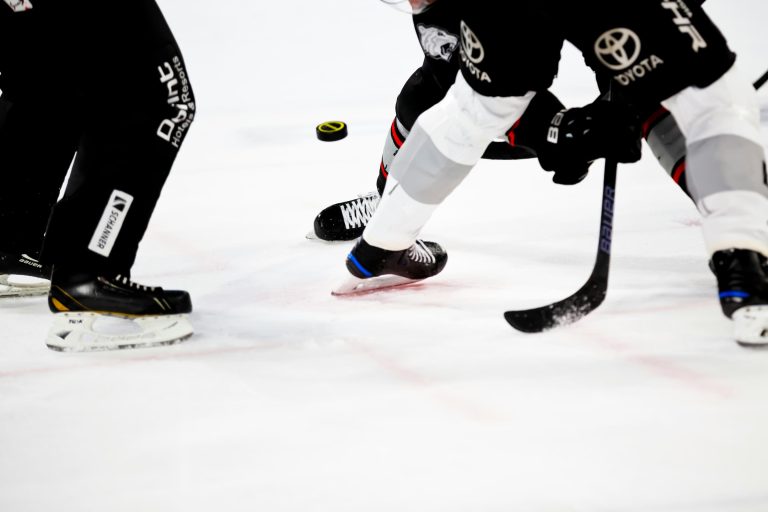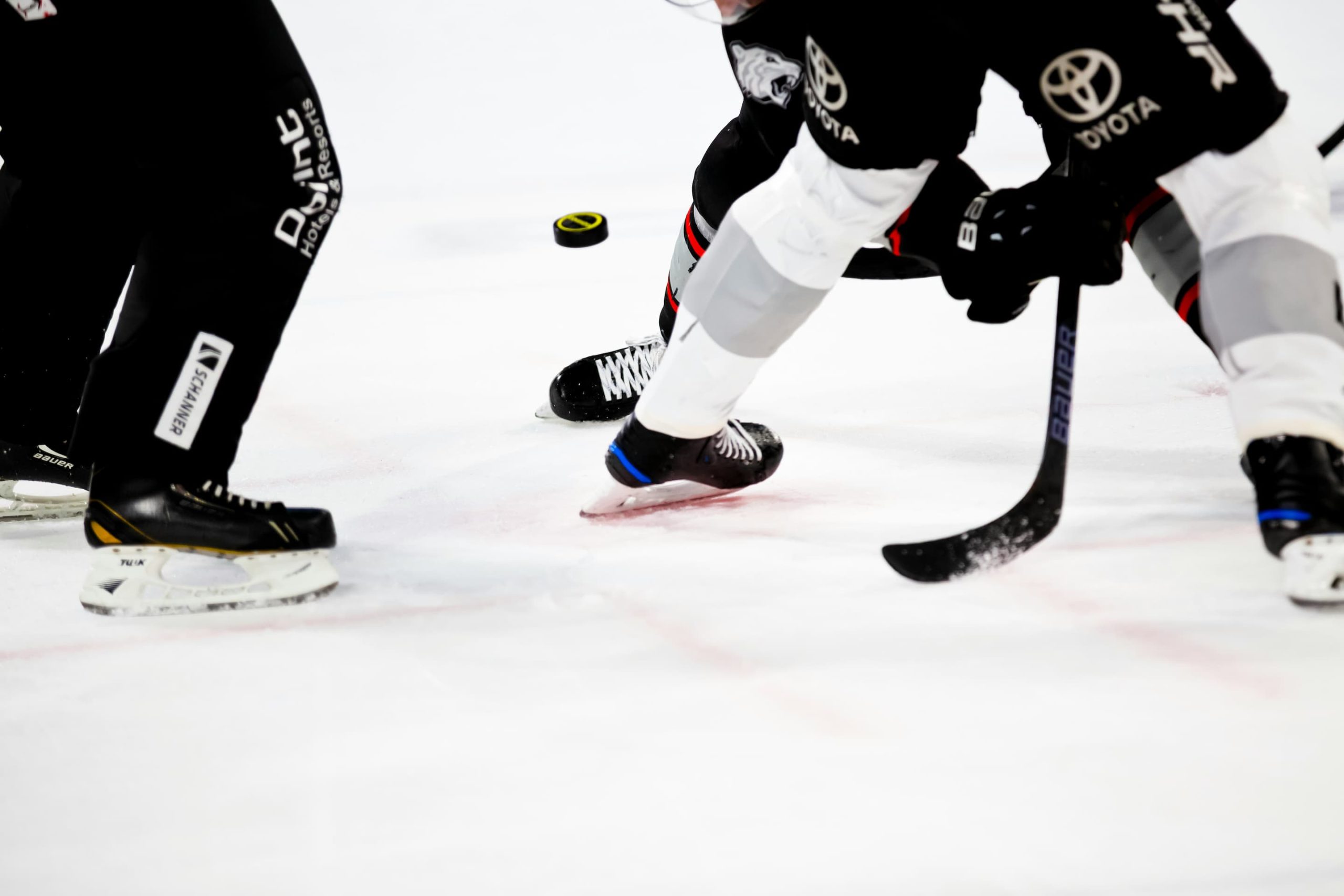
Hockey is fast, precise, and physical. Technical skills and fitness matter, but so does the mental game. Mental strength helps players handle pressure, stay focused, and push through challenges. Understanding these factors shows their role in success on the ice while betting on TonyBet.
High Self-Esteem
Confidence is key to performing well in hockey. Players who trust their skills can handle pressure, bounce back from mistakes, and take smart risks. Mental training builds self-belief with tools like visualization, goal-setting, and affirmations. For example, a player might imagine scoring a goal or making a big defensive play. This mental practice strengthens the brain and boosts real performance.
Low confidence, however, can cause hesitation, mistakes, and less effort. Coaches and sports psychologists help build confidence by creating a positive, supportive environment, even after failure.
Stress Management and Performance Under Pressure
Hockey is a stressful game. Its speed and split-second decisions can lead to mental fatigue. Players who manage stress well perform more consistently.
Techniques like mindfulness, deep breathing, and reframing thoughts help players stay calm. For instance, a goalie facing a breakaway must focus on the moment, not the outcome. Training the mind to focus on the process, not the result, reduces anxiety and improves performance.
Sharp
Hockey moves fast and requires sharp focus. One moment of lost concentration can change the game. Mental training helps players stay present and in sync with the flow.
Pre-game routines, trigger words, and mental cues keep focus sharp. For example, a defenseman might think “stay tight” to remind themselves to close gaps on attackers. These mental tools bring clarity in high-pressure moments.
Adversity
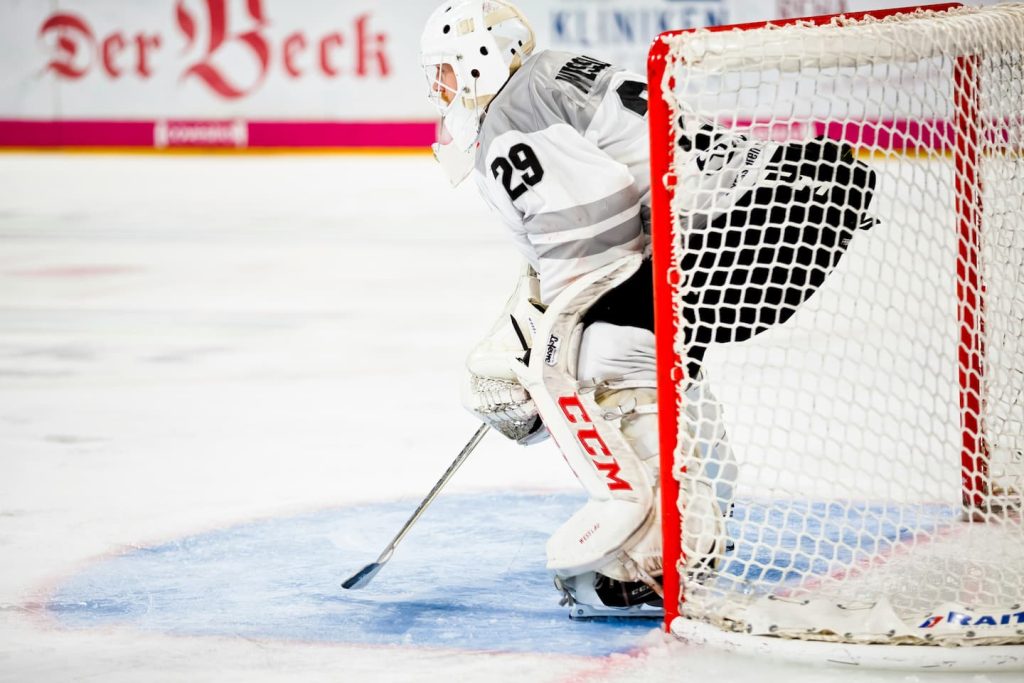
Hockey is full of ups and downs. Setbacks are part of the game. Resilience is the ability to bounce back. Players face challenges like losing streaks, injuries, or slumps. Mental training gives them tools to stay positive and push through tough times.
Reframing is one way to build resilience. Instead of seeing mistakes as failures, players learn to see them as lessons. This mindset cuts down negative self-talk and encourages growth and adaptability.
Team Dynamics and Mental Conditioning
Hockey is a team sport. Mental conditioning goes beyond individual players. Team dynamics like communication, trust, and camaraderie are crucial for success. They perform better under pressure and stay motivated.
Team-building exercises, group visualization, and open communication build connections. Leaders – captains and coaches – model resilience, focus, and positivity for the rest of the team.
It’s All About Mindset
It’s the belief that abilities grow through effort and learning. Players with this mindset embrace challenges, push through struggles, and welcome feedback. Coaches can foster a growth mindset by valuing effort over talent.
Peace of Mind
Mental conditioning is vital in hockey. It complements physical training and technical skills. By building confidence, focus, stress management, resilience, and teamwork, players can reach their full potential. As the mental demands of hockey grow, mental training will stay essential.
About the Author